On a budget02 · Le Petit SubOctober 2026
Belief

There is no correct sound, only the endless, joyful search for yours.

Recordings are mixed by people, in rooms, to taste. Playback can never be a window onto an original you were never part of, so the goal is not fidelity but finding what you love, for the music and the moment you are in.

PrecisionCharacter
Foundationwhat makes it possible
Technical freedomDSP and affordable class D amps make every speaker reconfigurable. Crossovers, EQ and voicings change in software, so you are never locked in.
Physical paletteBox, open baffle, horn and subwoofer move air in physically different ways. Built as cheap DIY, they form a palette to combine, even in unusual ways. The room is part of the instrument.
Way of workinghow to use it
Measure to understandA calibrated microphone and real data make every experiment deliberate. Compare level-matched, because louder always sounds better.
Taste decidesNo dogma. EQ, presets and voicings for different music or moods are legitimate. Changing your mind is part of the game.

Across: science and taste, working togetherDown: from foundation to practice

Applied · 02 Le Petit Sub on a budget, companion to Le Petit

Le Petit's bigger twin: two opposed 10″ drivers, built from one sheet of OSB.

Precision · calculatedCharacter · chosen
Foundationwhat it's built from

≈ 40 lnet, sealed and braced, 44.0 l gross

2 × 10″SB Acoustics SB26SFCL38-4, opposed

340 × 530Le Petit's front, 350 mm deep

≈ 18 kgOSB ≈ 12.5 kg, drivers 2 × 2.9 kg
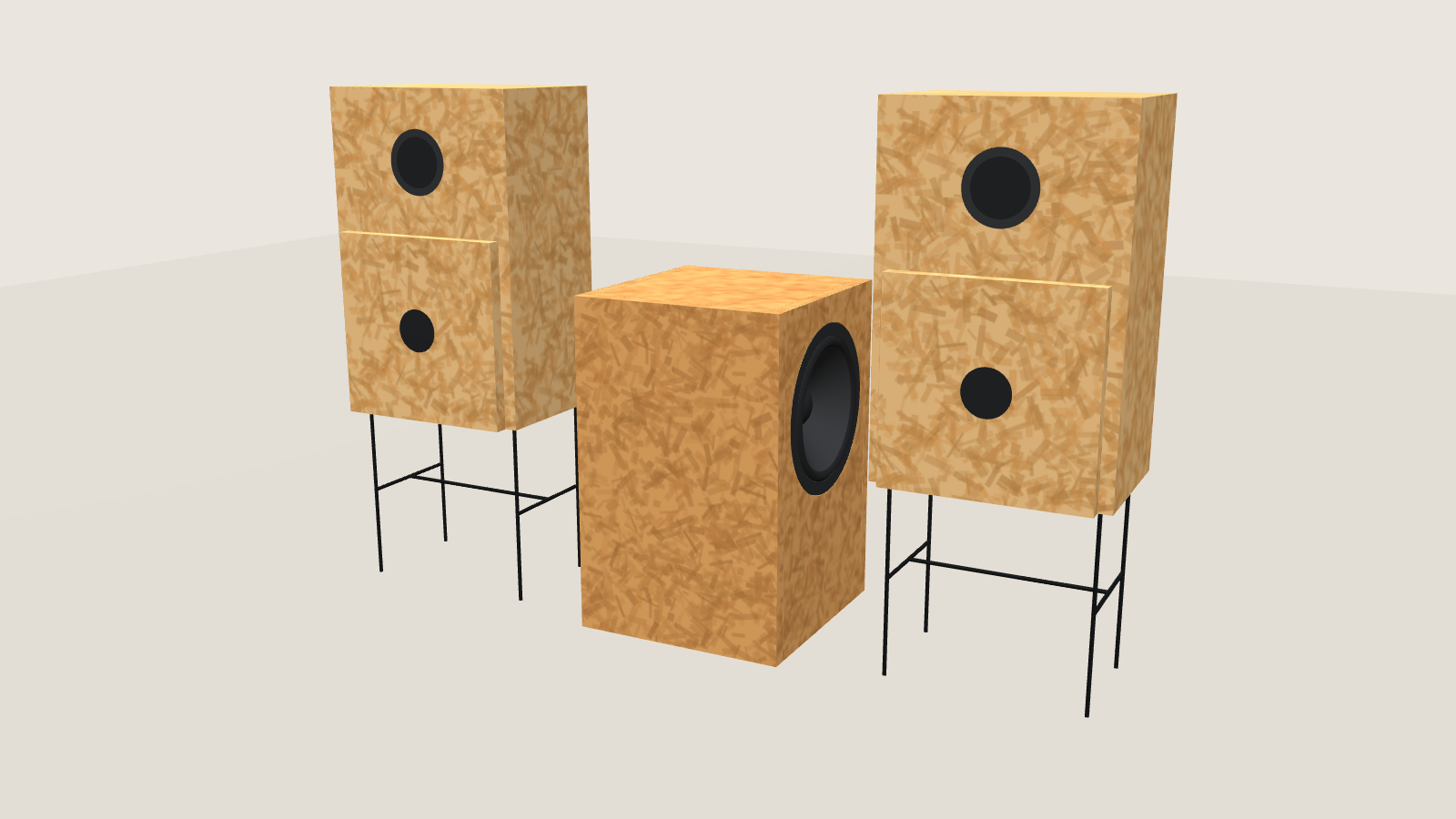
3D model: the sub between a Le Petit pair013D modelPart of the setSame front, same OSB, the drivers in the sides.
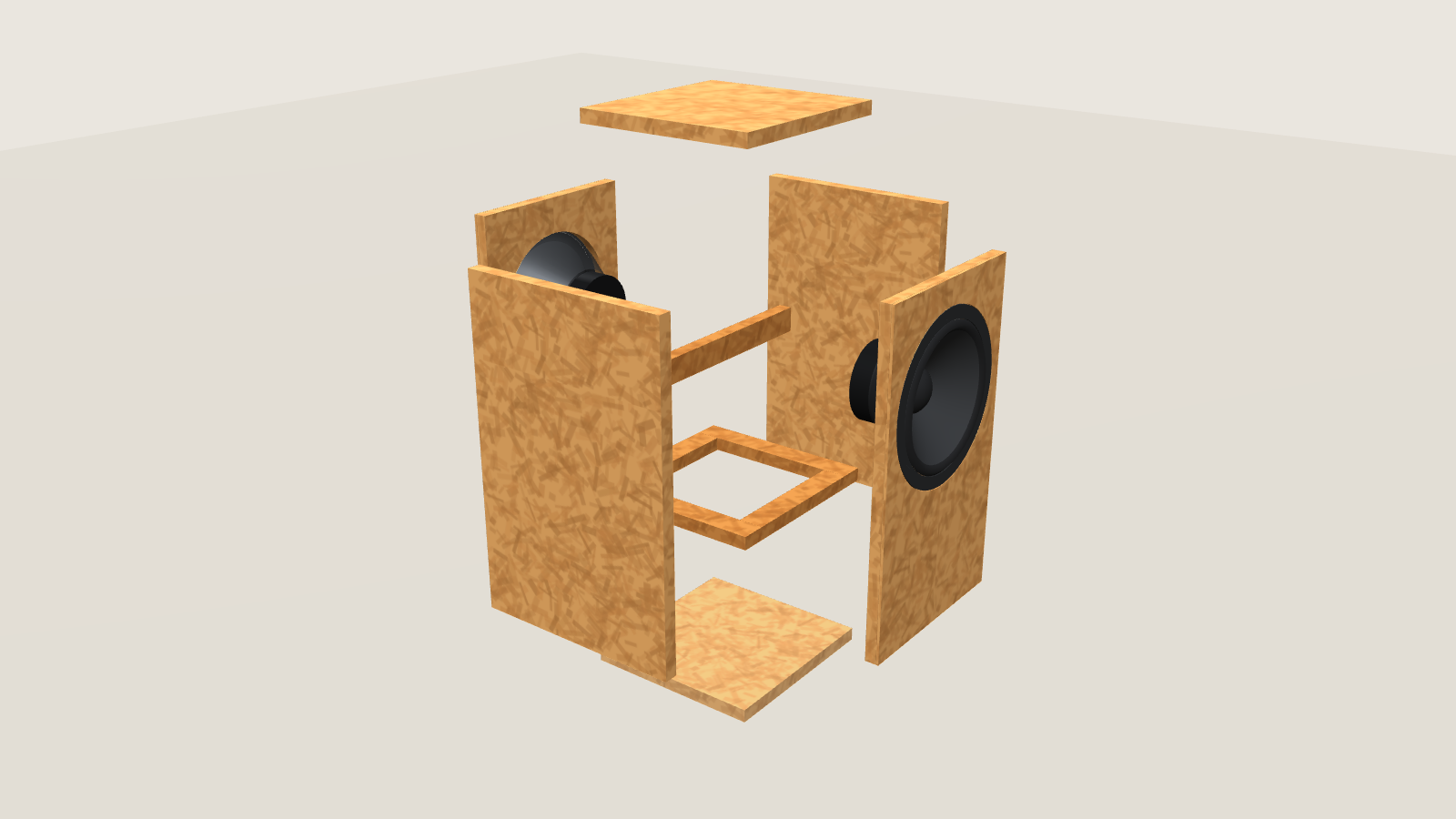
3D model, exploded: full front and back plates, sides, top, bottom and braces023D modelGlued shutFull 340 × 530 plates front and back.
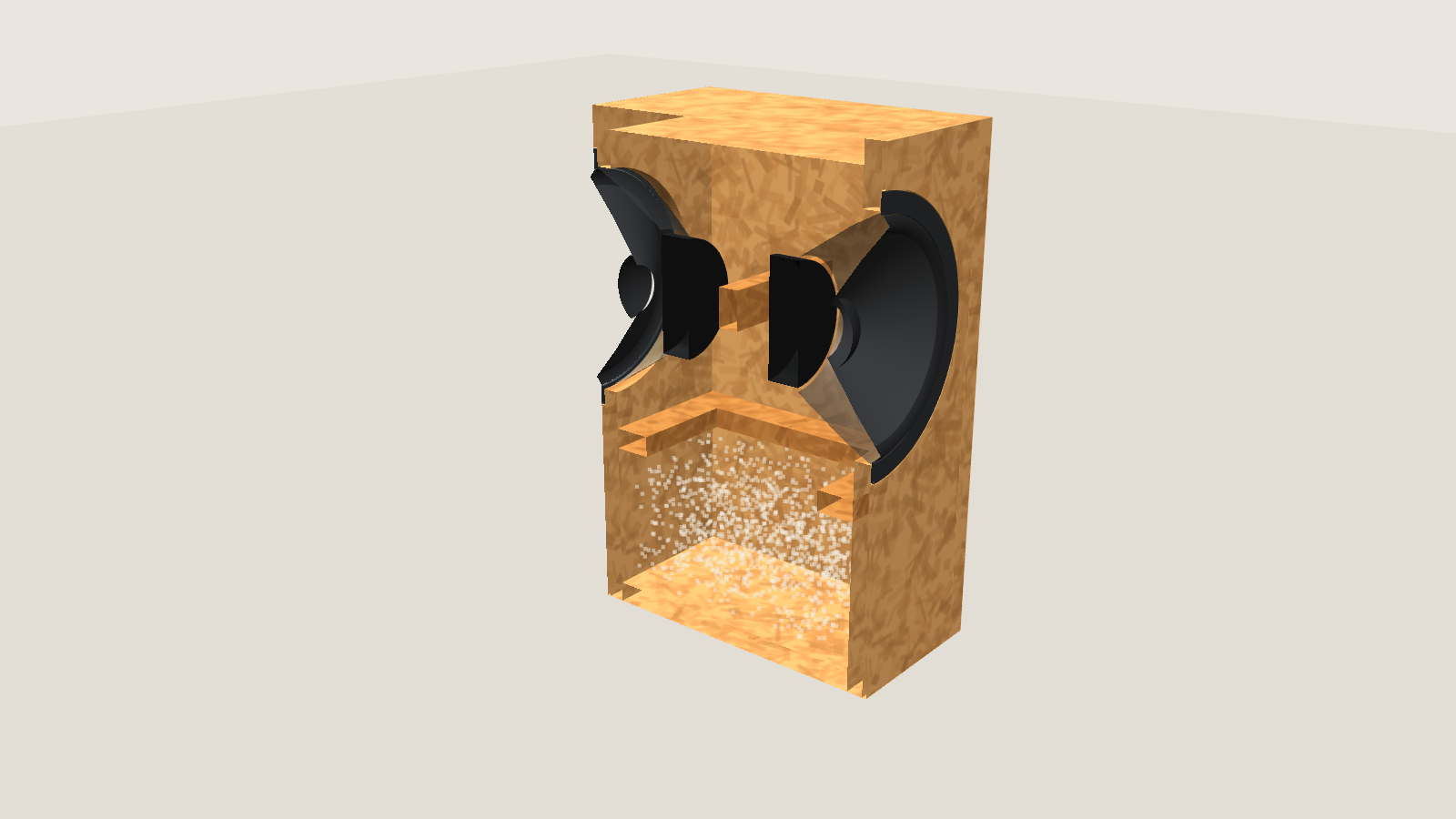
3D model, cut open: the tie strip between the two magnets033D modelBraced insideA tie strip between the magnets, a window brace below.
Way of workinghow it's designed
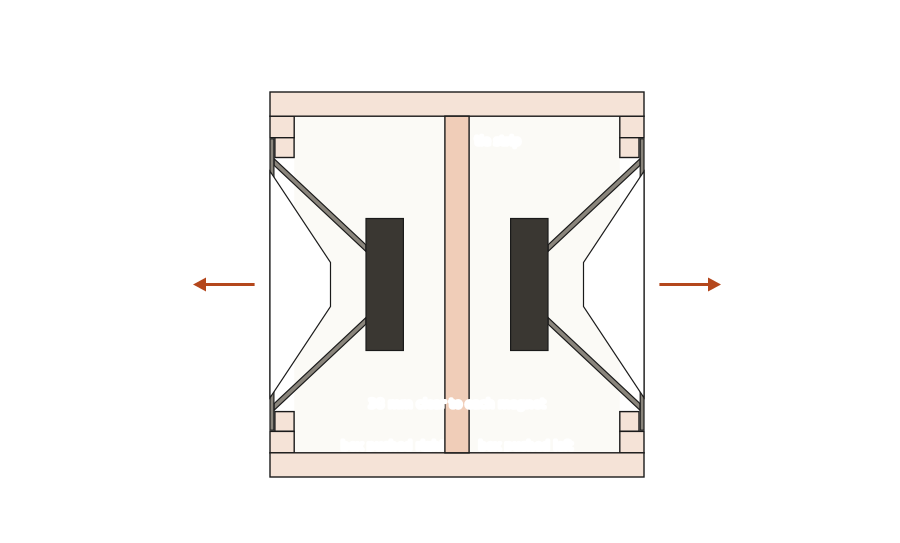
FIG 1 · Top section at driver height, to scale
Top section: two drivers in the side panels, magnets facing each other; both cones move out together, so the pushes on the box cancel

RecessØ267 × 4.5 mm, drivers flush on gasket tape

CutoutØ231 mm, basket Ø228.9

Clearancetie strip ≈ 38 mm clear of each magnet

Modesstanding waves start at ≈ 353 Hz: no wall felt

Below 80 Hz you can't hear where bass comes from, so one sub between the pair is enough.

Le Petit stays Le Petit: its strength is the midrange and the coherence of one full-range driver. The sub only takes over the bottom octaves.

Why opposedTwo mirrored drivers with the same signal push in opposite directions, so the box doesn't rock, buzz through the floor or walk.

Box340 × 530 × 350 mm outside, 296 × 486 × 306 mm inside

Drivers2 × SB26SFCL38-4, 10″, 4 Ω, in the side panels

Jointsbiscuits (size 20) and wood glue, glued shut

Damping300–500 g loose wool, lower half and corners

LE PETIT SUBOCT 2026

2 × SB26SFCL38-4, 10″€146

Shipping, approx.€10

12 × M5 inserts + screws€10

Gasket tape, wool fill€15

4-core cable + M20 gland€8

PARTS, APPROX.≈ €190

+ 22 mm OSB, one boardDIY store

QR code linking to rich1704.github.io/le-petit-sub-on-a-budget

Build it13 steps, three plan sheets, the cutting plan and an interactive 3D model.rich1704.github.io/le-petit-sub-on-a-budget

rich1704 · Documentation CC BY-SA 4.0 · companion to Le Petit, designed by Jean Hiraga, 1983Also: 01 · Le Petit →